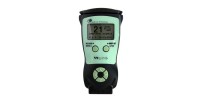
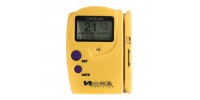
Bars and nightclubs across the U.S. increasingly rely on ID scanners to verify patrons’ ages and protect their liquor licenses. But with privacy laws tightening and enforcement increasing, technology designed to protect your bar can also create legal and privacy risks, especially when it collects or retains more sensitive ID data than necessary.
About This Guide
This guide, developed with insights from law-enforcement compliance officers, privacy consultants, and industry experts, will help you confidently manage ID-scanning technology while staying within legal and regulatory boundaries.
Table of Contents
|
Section
|
Title
|
|
1
|
Understanding Smart ID Scanning
|
|
2
|
Why Data Privacy Matters More Than Ever
|
|
3
|
State & Federal Laws Every Bar Owner Should Know
|
|
4
|
The “Minimal Data” Rule: What You Can (and Can’t) Keep
|
|
5
|
How to Choose a Privacy-Safe ID Scanner
|
|
6
|
Setting Retention Policies That Match the Law
|
|
7
|
Cloud vs. Local Storage: The Smart Decision Matrix
|
|
8
|
Staff Training & Signage Requirements
|
|
9
|
Audit & Compliance Checklist
|
|
10
|
Case Studies: The Savannah Fine & The Denver Win
|
|
11
|
Free Tools & Resources
|
|
12
|
Expert Insights & Interviews
|
|
13
|
Final Checklist for Bar Owners
|
|
14
|
About the Author & Contributors
|
1. Understanding Smart ID Scanning
Smart ID scanning isn’t just about catching fake IDs—it’s about balancing legal compliance, operational efficiency, and customer trust. A smart scanner setup:
- Reads barcodes quickly and accurately
- Verifies age without permanently storing sensitive data
- Generates logs you can produce for audits, without retaining excessive personal info
- Complies with your state’s data retention limits
In regulated environments, retaining more personal data does not improve compliance outcomes. Compliance guidance consistently shows that minimizing collected data and deleting it promptly reduces liability exposure.
2. Why Data Privacy Matters More Than Ever
In 2025, privacy regulations are stricter than ever. State regulators are now coordinating with data-protection units and even state attorneys general. Over-retaining ID data can trigger investigations under:
- CCPA (California Consumer Privacy Act)
- BIPA (Illinois Biometric Information Privacy Act)
- DPPA (Driver’s Privacy Protection Act)
- State-specific alcohol and privacy laws
Even if your bar is small, these laws apply. Noncompliance can result in fines ranging from $2,500–$7,500 fines per violation, per patron record, plus legal fees.
Remember, alcohol regulators (like ABC) focus on age verification while privacy regulators (state AGs, FTC, and state data‑privacy laws) penalize over‑retention of personal data, including scanned ID information. Large sum settlements, mandatory audits and monitoring, and public enforcement actions that damage reputation can be levied.
3. State & Federal Laws Every Bar Owner Should Know
|
Law
|
Applies to
|
Key Requirements
|
|
CCPA
|
CA patrons
|
Disclosure + deletion rights; no resale of data
|
|
BIPA
|
IL patrons
|
Explicit consent before collecting biometric data
|
|
DPPA
|
Nationwide
|
Limits the use of driver’s license information
|
|
State Alcohol Codes
|
All states
|
Retention windows (30–90 days typical)
|
✅ Tip: Use Viage’s State ID Scanning Laws Resource to check your local rules.
4. The “Minimal Data” Rule
More data does not equal better compliance.
In the eyes of privacy regulators, data is a liability, not an asset. Industry and regulatory guidance consistently show that minimizing collected data and deleting it promptly reduces liability exposure while keeping your bar compliant. Always follow your state Alcohol Beverage Control rules for what must be retained and for how long.
Bar ID Scanning: Keep or Delete Chart
|
Data Type
|
Keep?
|
Reason / Notes
|
|
Name
|
➖State-dependent
|
Some states allow retention (e.g., NY), but generally unnecessary beyond immediate compliance. Check your state ABC rules.
|
|
Date of Birth
|
✅ Yes
|
Required for age verification.
|
|
Expiration Date (of ID)
|
➖State-dependent
|
Some states (e.g., NY) permit storing the expiration date as part of legitimate scanning. Check your local ABC regulations.
|
|
License / ID Number
|
➖State-dependent
|
Can be considered personally identifiable; retention rules vary by state.
|
|
Address
|
❌ No
|
Not required for age verification; typically considered sensitive PII.
|
|
Photo / Face Scan
|
❌ Avoid
|
Biometric data is sensitive and generally unnecessary for age verification.
|
|
Other Barcode Fields (height, hair color, etc.)
|
❌ No
|
Irrelevant to verifying age.
|
|
Retention Period / Expiration Rules
|
❗ State-specific
|
Some states require deletion after a set period (e.g., Utah: 7 days); others defer to commission rules. Always follow your state’s retention requirements.
|
5. How to Choose a Privacy-Safe ID Scanner
When evaluating ID scanner vendors, ask:
- Can I disable data storage?
- Can I configure certain data to store?
- Do you sell or share my patrons’ data?
- Is your software independently audited for security?
Look for ID scanners with “no-storage” mode or customizable storage. Trusted providers will give you options to customize for your state-specific requirements.
6. Setting Retention Policies That Match the Law
Typical retention period: 30–90 days. Check your local and state laws for age compliance retention requirements. Anything beyond what’s legally required invites scrutiny.
Steps:
- Check your state alcohol commission’s guidance.
- Configure and set up processes to delete logs older than the required period.
- Keep an audit trail proving when deletions occur.
Best Practice: Demonstrating that you regularly delete outdated ID-scan data and retain only what’s required can help show regulators that your bar follows good privacy and compliance practices.
In California, alcoholic beverage licensees are generally required to keep books and records available for inspection by ABC agents as part of their licensing obligations. Refusal to allow an agent to examine required records can be a misdemeanor.
7. Cloud vs. Local Storage: The Smart Decision Matrix
Bars get into trouble not because they scan IDs, but because of where the data goes after the scan. Your storage choice affects how exposed your bar is to hacks, lawsuits, and retention violations.
Local Storage (Lower Risk): Data stays on the device or on an on-premise system, not on external servers. This reduces privacy exposure and keeps you in control.
Cloud Storage (More Convenience, More Exposure): Data goes to a vendor’s server. It’s useful for multi-location groups, but higher risk by design.
Cloud storage isn’t wrong, but does require tighter oversight.
Comparison: Local vs. Cloud Storage
|
Feature
|
Local Storage
|
Cloud Storage
|
|
Exposure to external hacks
|
Lower risk
|
Higher risk
|
|
Control over data
|
High
|
Limited
|
|
Risk of vendor misconfiguration
|
Low
|
Medium–High
|
|
Cross-venue data sharing
|
None
|
Often enabled
|
|
Long-term privacy protection
|
Strong
|
Depends on vendor
|
|
Multi-location sync
|
Not supported
|
Built-in
|
|
Initial setup complexity
|
Moderate
|
Moderate
|
Bottom Line
Local storage = maximum privacy and control.
Cloud storage = more convenience, more oversight required.
Pick the option that best fits your risk tolerance and always set a retention limit.
8. Staff Training & Signage Requirements
Technology is only effective when paired with a trained team; staff education and clear signage are the final pillars of a legally defensible ID scanning policy.
- Train staff on visual verification techniques (checking photo, holograms, expiration).
- Teach them to explain privacy notices confidently.
- Display a sign:
“We scan IDs to verify age only. No personal data is retained beyond compliance requirements.”
Transparency reassures customers and keeps regulators happy.
9. Audit & Compliance Checklist
Compliance is an ongoing process, not a one-time setup. Incorporating these routine checks into your management workflow ensures that data retention and staff training never fall through the cracks.
- Review scanner settings monthly
- Confirm deletion logs are active
- Refresh staff training quarterly
- Review privacy notice annually
10. Case Studies
The Savannah Fine:
A Georgia bar was fined $5,000 for storing 18 months of patron data. They used a popular scanner but never configured its retention settings.
The Denver Win:
A Denver nightclub avoided a BIPA class action by proving they never stored biometric data—only age verification logs—and published their privacy policy at every entrance.
11. Expert Insights
“ID scanning can streamline age verification, but improper data retention often creates unnecessary compliance exposure.”
— Alcohol compliance best practices
“Bars (vendors) should clearly document data retention limits and deletion controls. Undefined retention policies increase privacy and liability risk.”
— Data-privacy compliance guidance
Final Thoughts: Protecting Your Bar with Smarter ID Scanning
ID Scanners for bars are a powerful tool for protecting your liquor license, but it shouldn’t come at the expense of your patrons’ privacy or your increased risk. In today’s regulatory environment, compliance isn’t measured by how much data you collect, but by how responsibly you manage it.
By adopting a minimal-data approach and enforcing clear, lawful retention policies, you can benefit from age verification compliance and documentation without exposure to unnecessary privacy and liability exposure.
Remember: The value of an ID scanner isn’t how much data it collects — it’s how well that data is controlled, limited, and deleted in accordance with the law.